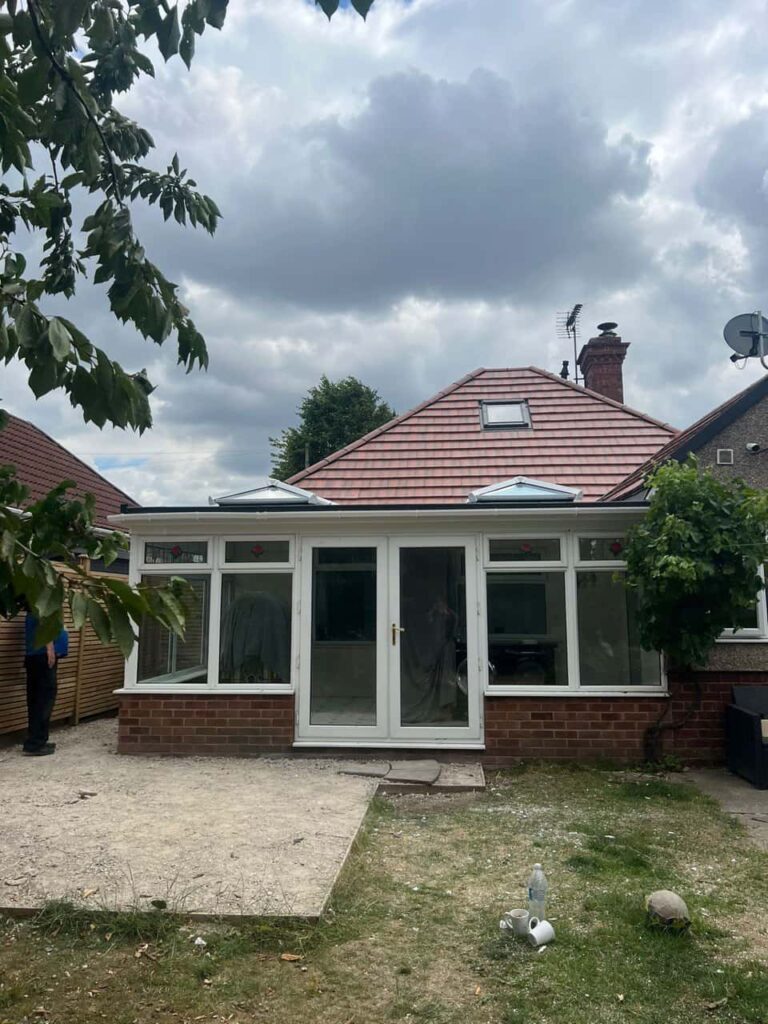
A roof should provide dependable protection without demanding constant attention. If you regularly notice damp patches, displaced tiles or new defects, however, it is understandable to feel concerned whenever heavy rain or strong winds are forecast.
Recurring roofing problems do not necessarily mean that the entire roof needs replacing. They do indicate that the roof should be assessed as a complete system rather than treating each visible symptom in isolation. Understanding why problems keep developing is the first step towards finding an effective solution.
How to Deal with Recurring Roofing Problems
A single defect can often be resolved with a targeted repair. When different issues appear repeatedly or previous repairs fail to provide lasting results, there may be a wider weakness affecting the covering, underlay, flashing, drainage or supporting materials.
Signs Your Roof Needs Professional Attention
Some roofing defects are obvious, while others develop gradually. Warning signs worth investigating include:
- Damp marks appearing on ceilings or walls
- Tiles or slates repeatedly slipping out of position
- Cracked, loose or missing roof coverings
- Mortar breaking away from ridges, verges or junctions
- Recurring leaks during prolonged or wind-driven rain
- Debris from the roof collecting around the property
- Sagging or uneven sections of the roofline
- Daylight visible from inside the roof space
- Damp insulation or discoloured roof timbers
- Previous repairs deteriorating sooner than expected
One symptom may have a straightforward explanation. Several occurring together can suggest that the roof requires a broader inspection.
Why Roof Problems Can Keep Returning
Recurring problems often arise when the visible damage is repaired without addressing its underlying cause. A displaced tile, for example, may be related to weakened fixings or deteriorated battens rather than an isolated movement.
Water can also travel beneath the roof covering before becoming visible inside the property. Consequently, the damp patch may be some distance from the point where rain is entering.
Other possible causes include:
- Ageing or damaged underlay
- Deteriorated lead flashing
- Weaknesses around chimneys or roof penetrations
- Poorly functioning gutters and roof drainage
- Movement within adjoining roofing materials
- Inadequate roof-space ventilation
- Widespread wear across an older covering
Correct diagnosis matters because repairing the wrong area may temporarily disguise the problem without preventing it from returning.
When a Targeted Repair May Be Enough
A localised repair can be appropriate when the source of the problem is clearly identified and the surrounding roof remains sound. Examples include replacing a small number of damaged tiles, renewing a defective section of flashing or repairing mortar at a specific junction.
Repair is more likely to provide a reliable outcome when:
- The roof structure remains stable
- Most tiles or slates are secure and serviceable
- Water ingress originates from one defined area
- The underlay is generally in satisfactory condition
- There is no widespread sagging or material failure
- Previous problems have been isolated rather than recurring throughout the roof
A proper repair should address both the damaged component and the reason it failed.
When a Wider Roofing Solution Should Be Considered
Continuing with isolated repairs may become less effective when the roof is deteriorating in several places. Repeated tile movement, widespread underlay failure or several unrelated leaks can indicate that the roofing system is reaching the point where broader work is more sensible.
A more extensive solution may be appropriate if:
- Defects are appearing across multiple roof slopes
- Large areas of the covering have become brittle or unstable
- Battens or other supporting components have deteriorated
- The roofline shows signs of movement
- Water ingress has affected several internal areas
- New problems continue to develop after suitable repairs
- Working around fragile materials risks disturbing adjacent sections
This does not mean that every ageing roof requires replacement. The decision should be based on its actual condition, the distribution of defects and the ability of the remaining materials to continue performing reliably.
Why the Entire Roof Should Be Assessed
Inspecting only the most visible defect can result in connected problems being missed. A complete roof assessment considers the covering, ridges, verges, valleys, flashing, drainage, underlay, ventilation and accessible supporting structure.
It should establish:
- Where moisture is entering
- How far any deterioration has spread
- Whether several symptoms share one underlying cause
- Which materials remain serviceable
- Whether local repairs can deliver a dependable result
- Whether more extensive work would address the problem properly
This evidence-led approach helps avoid unnecessary intervention while ensuring that important weaknesses are not overlooked.
Do Not Wait for a Major Leak
A roof can deteriorate without producing a dramatic internal leak. Small openings may allow limited amounts of moisture beneath the covering, where it can affect battens, underlay or insulation before becoming visible indoors.
Arranging an assessment when recurring warning signs first appear can make the condition easier to understand. It also allows any suitable remedial work to be planned before water reaches a larger area.
Conclusion
If your roof has become a constant source of worry, the most useful next step is to determine why problems keep occurring. A targeted repair may be entirely suitable when the defect is isolated and the surrounding roof remains sound. Where deterioration is widespread, a more comprehensive solution may provide greater reliability.
LS Roofing Thame can assess recurring roof problems in Thame, Oxfordshire, identify the underlying cause and explain the most appropriate course of action. Contact the team if you would like your roof professionally inspected.
Call us on: 01844 394 496
Click here to find out more about LS Roofing Thame
Click here to complete our contact form and see how we can help with your roofing needs.